


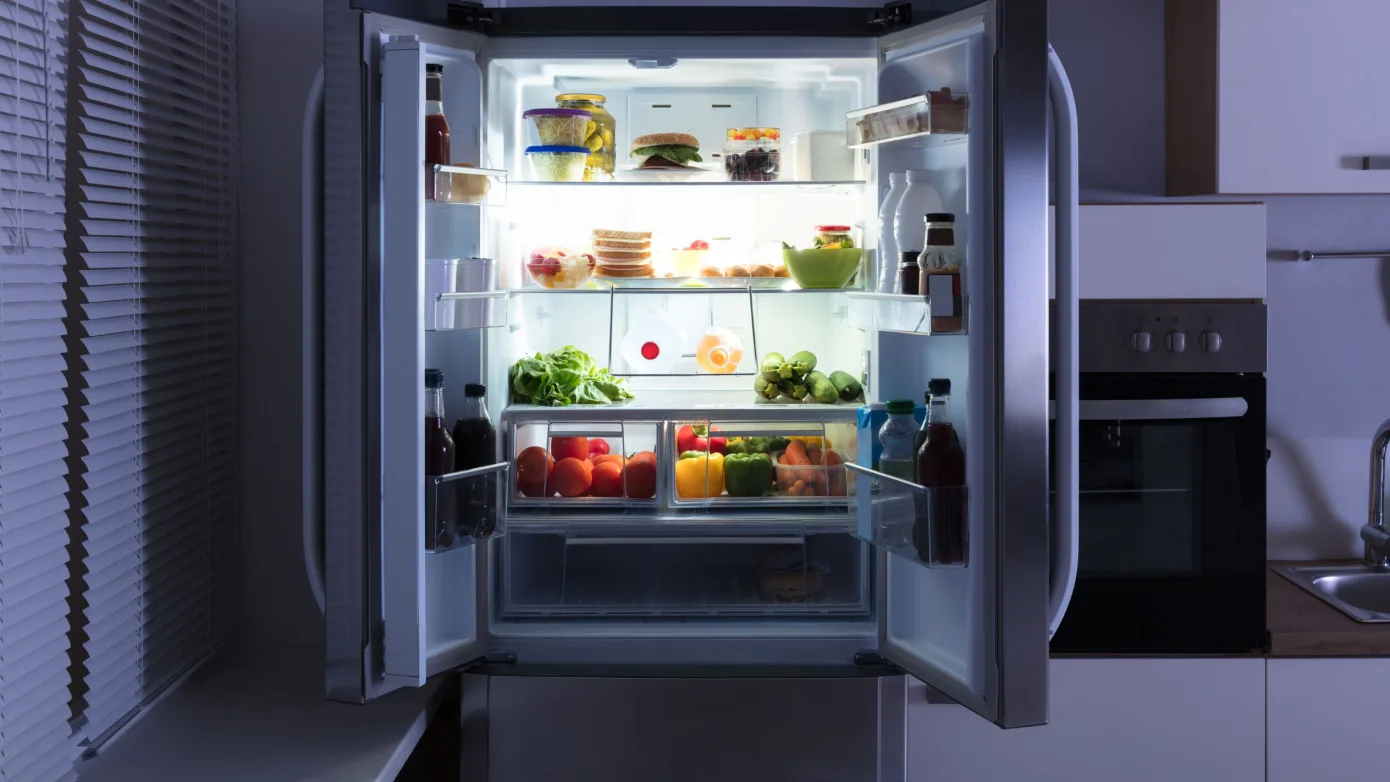
The refrigerator, an indispensable part of modern life, has a fascinating history that traces back to ingenious methods of cooling used by our ancestors. Before the era of mechanical refrigeration systems, people relied on ice and snow, either locally sourced or transported from the mountains, to keep their food fresh. The journey from primitive cooling methods to the advanced refrigerators we use today is a testament to human innovation and technological progress.
The Early Days:
In the annals of refrigeration history, the first artificial demonstration was credited to William Cullen in 1748 at the University of Glasgow. However, it wasn’t until 1805 that American inventor Oliver Evans conceptualized the blueprint for the initial refrigeration machine. The practical realization of this idea occurred in 1834 when Jacob Perkins built the first functional refrigerating machine, utilizing a vapor compression cycle to generate cool temperatures.
Pioneering Innovations:
A decade later, American physician John Gorrie built a refrigerator based on Evans’ design, deploying it to cool the air for his patients suffering from yellow fever. The year 1876 marked a significant milestone when German engineer Carl von Linden patented the liquefaction of gas, a fundamental aspect of refrigeration technology. Notably, African-American inventors Thomas Elkins and John Standard contributed with their patented improvements to refrigerator designs.
The Transition to Modern Refrigeration:
Refrigerators from the late 1800s until 1929 relied on toxic gases like ammonia, methyl chloride, and sulfur dioxide as refrigerants. Tragically, fatal accidents in the 1920s resulted from methyl chloride leaks. In response, three American corporations collaborated on research, leading to the discovery of Freon—a safer alternative. By the 1930s, compressor refrigerators using Freon became the standard for home kitchens, although later recognized for their contribution to ozone layer depletion.
The Present and Beyond:
As of 2018, compressor refrigerators, despite being the most common, faced scrutiny due to the environmental impact of chlorofluorocarbons. Some countries initiated efforts to phase out these harmful refrigerants, introducing alternatives like HFO-1234yf that are less detrimental to the atmosphere. Additionally, modern refrigerators are now designed to operate using innovative energy sources such as solar, magnetic, and acoustic energy, reflecting a commitment to sustainability.
With a commitment to quality and efficiency, MIA Installations offers top-notch services tailored to meet your refrigeration needs. Whether you are upgrading to a more eco-friendly model or need assistance with installation, MIA Installations is your go-to partner for refrigeration solutions in Montreal.
Frequently Asked Questions (FAQs):
Q1: Are compressor refrigerators still widely used?
A1: Yes, as of now, compressor refrigerators remain the most prevalent. However, there is a global push toward adopting refrigerants that are less harmful to the environment.
Q2: What are some alternative refrigerants?
A2: Alternatives such as HFO-1234yf have gained popularity due to their lower environmental impact compared to traditional chlorofluorocarbons.
Q3: Can I switch to a refrigerator powered by renewable energy?
A3: Absolutely! Many modern refrigerators are designed to operate using renewable energy sources like solar power, contributing to a more sustainable lifestyle.
The history of the refrigerator is a captivating journey from primitive cooling methods to environmentally conscious innovations. As we move forward, choosing sustainable options and reliable installation services, such as those offered by MIA Installations, can contribute to a greener and cooler future.